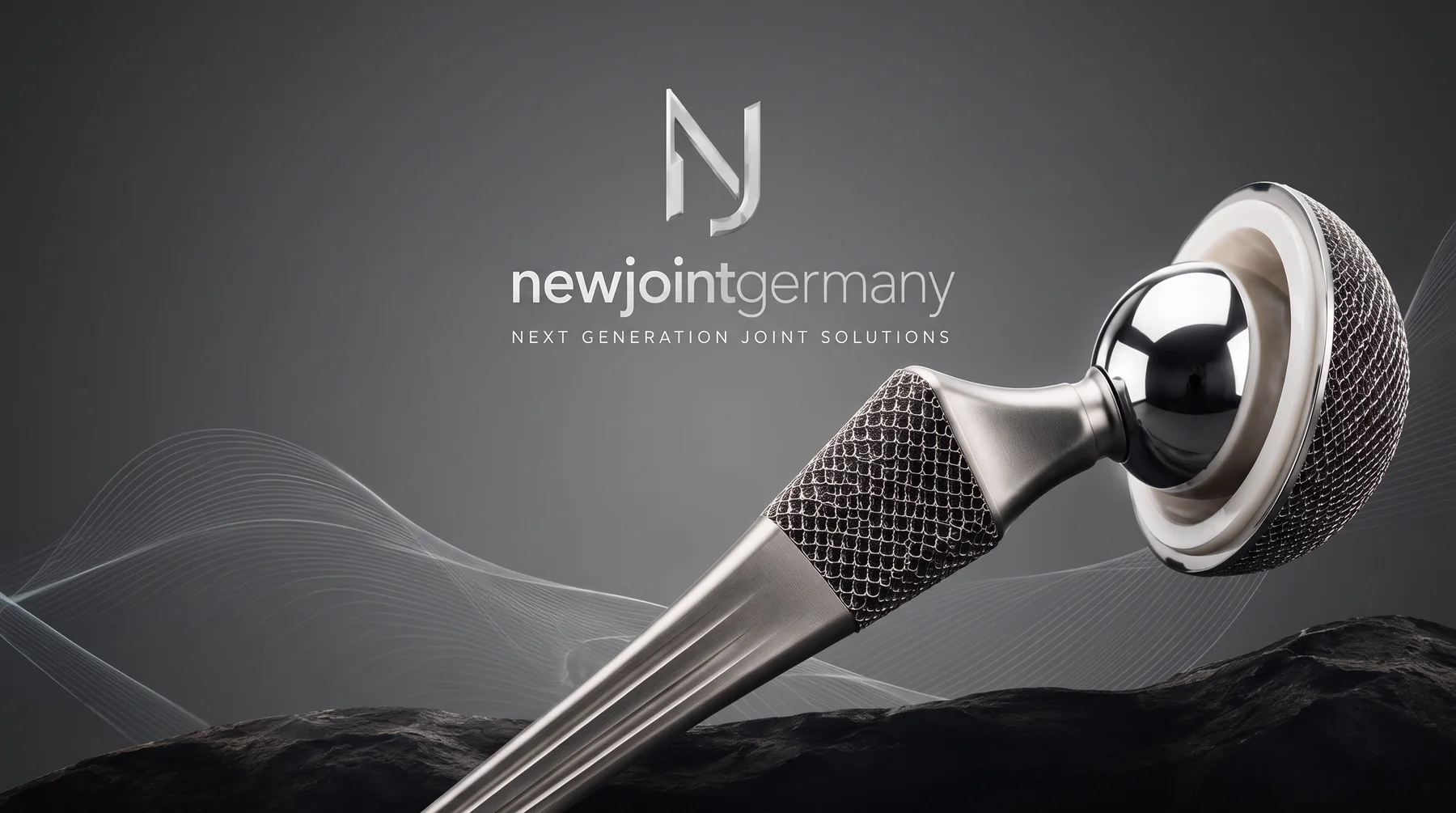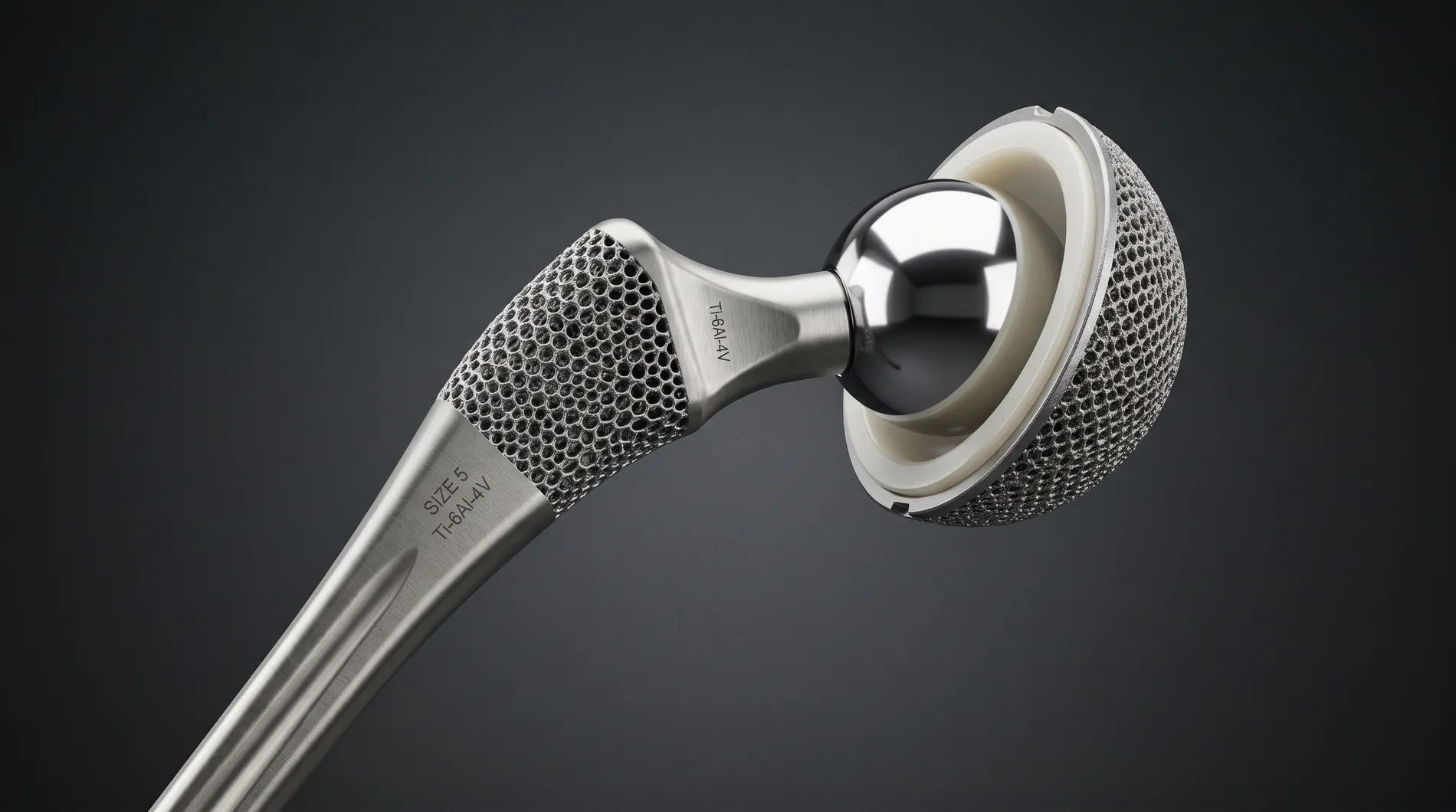

Total hip replacement implant: titanium femoral stem with porous lattice surface, polished femoral head and acetabular cup with polyethylene liner
Hip & knee replacement · Potsdam, Germany

A new joint, on a schedule you can plan around.

Canadian patients travel to our campus near Berlin for minimally invasive hip and knee replacement — with a fixed surgical date, one surgeon from first consultation to final review, and rehabilitation in the same place. Our Calgary office arranges everything before you leave home.

Canadian contact
Katarina Anderson, Calgary AB — your first call, in your time zone
Surgical volume
More than 2,000 hip and knee replacements performed by our lead surgeon
One campus
Consultation, imaging, surgery and rehabilitation within minutes of each other
Arrival
Direct flights to Berlin Brandenburg (BER); private transfer to Potsdam
Scroll
The reason patients call us

Pain does not wait for an operating room to open.

The Canadian benchmark for a hip or knee replacement is 26 weeks. Roughly a third of patients do not receive surgery inside it — and that clock only starts once you are already on a surgical list.

Sources: Canadian Institute for Health Information, Wait Times for Priority Procedures in Canada (2025) and Hip and Knee Replacements in Canada — CJRR Annual Report 2024–2025. Figures are national and change with each reporting period. Check your provincial wait-time portal for current numbers.

Hip replacements within 26 weeks0%
National figure for 2024 — meaning close to one in three patients waited longer than the agreed benchmark.
Knee replacements within 26 weeks0%
National figure for 2024. Performance varies widely by province and has not returned to pre-2019 levels.
Rural and remote patients within 26 weeks0%
Compared with 71% of patients in urban areas in 2024–2025.
Referral to surgery, orthopaedics≈ 48 weeks
The full wait most patients actually experience — from family doctor referral through consultation to the operating room. Estimated national median.

With us, the sequence is different. You send your imaging and history from home, receive a written surgical opinion from the operating surgeon, and — if surgery is appropriate — agree on a date. Most patients travel within weeks of that decision, not seasons.

Start with a case review
The German standard

One of the world's leading countries for joint replacement.

Germany performs more hip and knee replacements per head of population than almost any other country in the OECD — and does it inside one of the most tightly regulated quality systems in the world. Volume and structure together are what make the difference.

Implants that last

More than 95% of hip and knee prostheses are still in place after ten years. Early failure due to the implant material itself is rare.

A national register since 2012

The German Arthroplasty Registry (EPRD) records implant data nationwide and is among the largest registers in Europe — every implant is tracked over time.

Certified centres, not just clinics

The EndoCert system sets binding minimum case numbers and standardised processes — a level of centre structure many countries do not require.

Modern technique as standard

Minimally invasive approaches, computer-assisted surgery and individualised implants are widely available — not exceptions reserved for a few centres.

0%+ Hip & knee implants still in place at 10 years
100% 95% 90% 0 yrs 5 yrs 10 yrs
#1
among OECD countries for joint replacements per capita
2012
nationwide implant register (EPRD), one of Europe's largest
EndoCert
mandatory minimum case numbers and standardised processes

Figures describe the standard of hip and knee replacement in Germany generally (sources: EPRD, BVMed, OECD, Deutsches Ärzteblatt). Individual outcomes depend on your diagnosis, anatomy and overall health, and are discussed with you before surgery.

Why we do this

A joint replacement is not the goal. Getting your life back is the goal.

Three generations of a family walking together along a beach
Mobility is what everything else quietly depends on.

Walking without planning it

Distance stops being a calculation. Stairs stop being a decision. For most patients this is the change that matters more than any measurement on a chart.

Sleeping through the night

Advanced arthritis of the hip or knee often hurts most at rest. Relief of night pain is one of the earliest and most reliable effects patients describe after recovery.

Being present again

Work, travel, grandchildren, the dog, the garden. Mobility is what everything else quietly depends on.

Anatomy of a modern implant

Six components. One purpose: a joint that moves like it should.

Component

Select a component

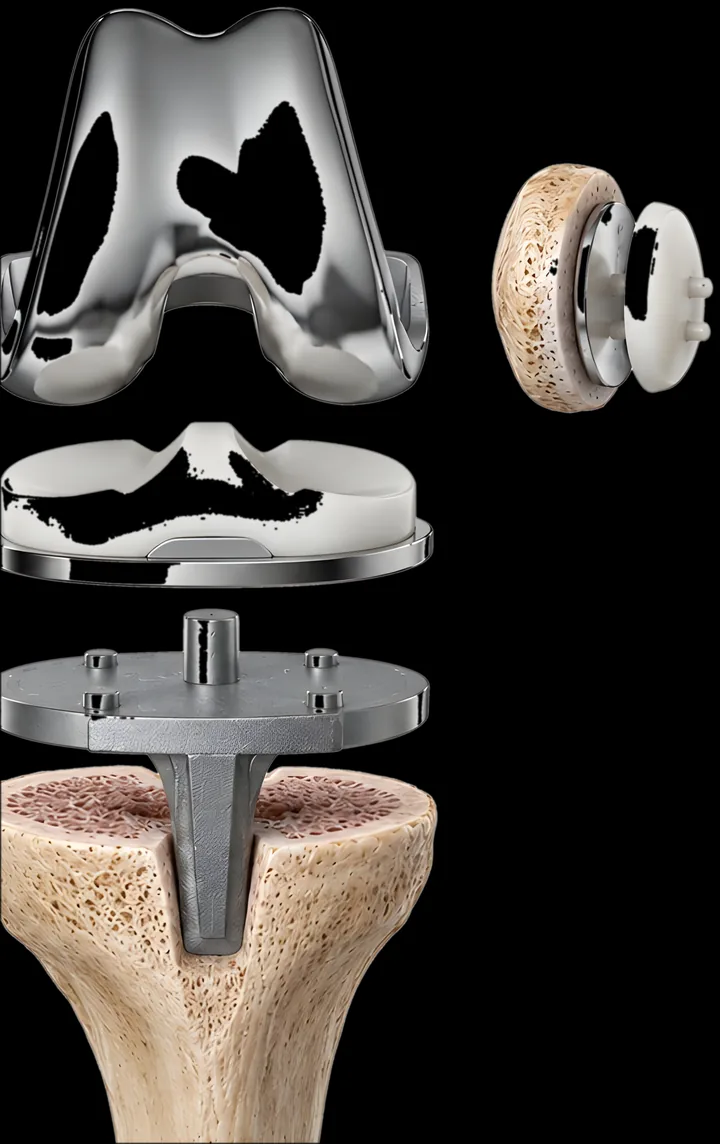
Every implant is a small assembly of parts, each chosen for a different job: one bonds to bone, one carries load, one has to slide against another millions of times without wearing out. Select a component to see what each part does.

Material
Function
Fixation

Component choice is made for each patient individually and discussed before surgery. Illustrations are schematic and do not depict a specific product.

Materials

Four materials, chosen for what each one does best.

Modern joint replacement is a materials problem as much as a surgical one: something has to bond to living bone, and something else has to slide against it for decades.

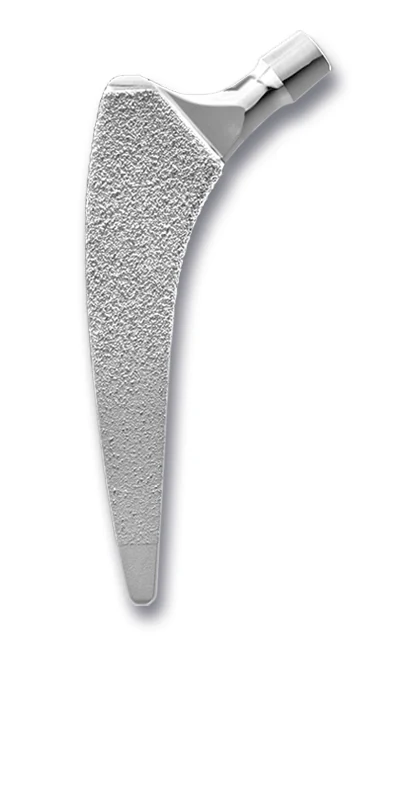
Femoral stem with porous titanium lattice section and polished neckAnchoring

Titanium alloy

Elastic behaviour close to bone and a rough or coated surface that bone can grow into. Used for stems, shells and tibial trays.

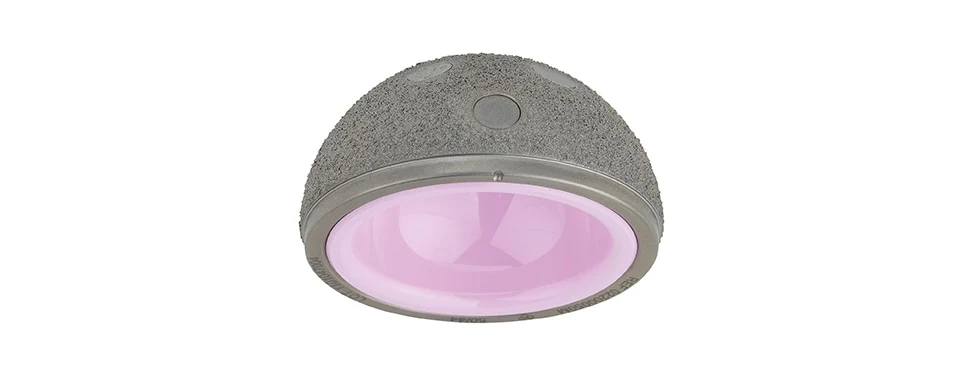
Acetabular cup: a porous titanium shell with a pink ceramic bearing insertThe socket

Acetabular cup

A titanium shell that bone grows into, holding a ceramic or polyethylene insert. This is the socket half of the new hip joint.

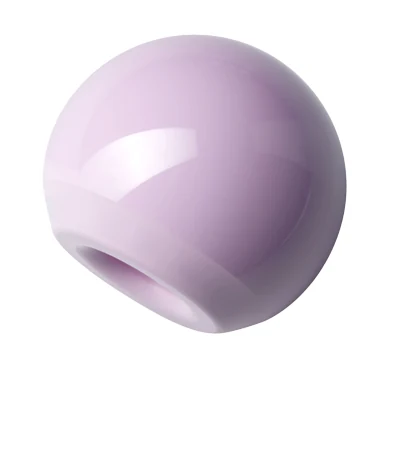
Ceramic femoral head with tapered bore, in the characteristic pink of high-performance surgical ceramicBearing surface

Ceramic

Very smooth, scratch-resistant and low-friction. Frequently chosen for the femoral head in hip replacement.

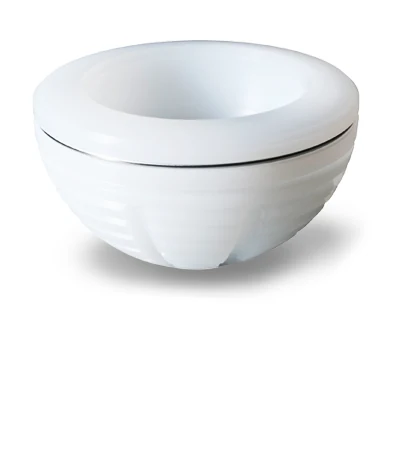
Polyethylene acetabular cup, the white bearing insert that forms the sliding surface of a hip replacementSliding layer

Cross-linked polyethylene

The replacement cartilage layer between the moving parts. Modern cross-linked and vitamin-E stabilised grades are used to reduce wear.

Material and implant selection depends on your anatomy, bone quality, age, activity level and any allergies. It is decided individually and explained to you before surgery.

Individual planning

No two joints are the same. Planning starts before the operating room.

Leg axis, rotation centre, offset, implant size and position are worked out on your own imaging — not decided during surgery. For patients travelling from Canada, this planning happens while you are still at home.

  1. Imaging reviewStanding X-rays, and cross-sectional imaging where it adds information. We tell you exactly which views we need.
  2. MeasurementLeg length, offset, axis deviation and rotation centre are measured digitally and compared with the healthy side.
  3. Implant selection and sizingType, size and position are planned in advance, with alternatives prepared for the operating room.
  4. Written surgical opinionYou receive the plan in plain English before you book a flight — including whether surgery is the right step at all.
ROTATION CENTRE ANGLE OFFSET JOINT LINE MECHANICAL AXIS

Schematic representation. No patient data is shown.

How we work

Eight commitments that do not change, whoever is on the table.

01

Surgery only when it is indicated

If your imaging and symptoms do not justify a joint replacement, we will tell you — and say what we would do instead. A trip to Germany is not a treatment plan.

02

The surgeon who plans, operates

The person who reviews your case is the person in the operating room and the person who sees you afterwards. No rotation, no handover.

03

Tissue-sparing technique

Minimally invasive approaches are used where they suit the anatomy and the implant — never as a marketing point at the cost of implant position.

04

Certified surgical environment

We operate in specialised private hospitals working to EndoCert requirements, the German certification standard for arthroplasty centres.

05

Modern anaesthesia and pain concepts

Anaesthetic and pain management are planned with your medical history, medication and travel in mind, and discussed with you beforehand.

06

Early mobilisation

Standing and walking with support begin as soon as it is safe. Movement is part of the treatment, not a reward for recovering.

07

Rehabilitation in the same hands

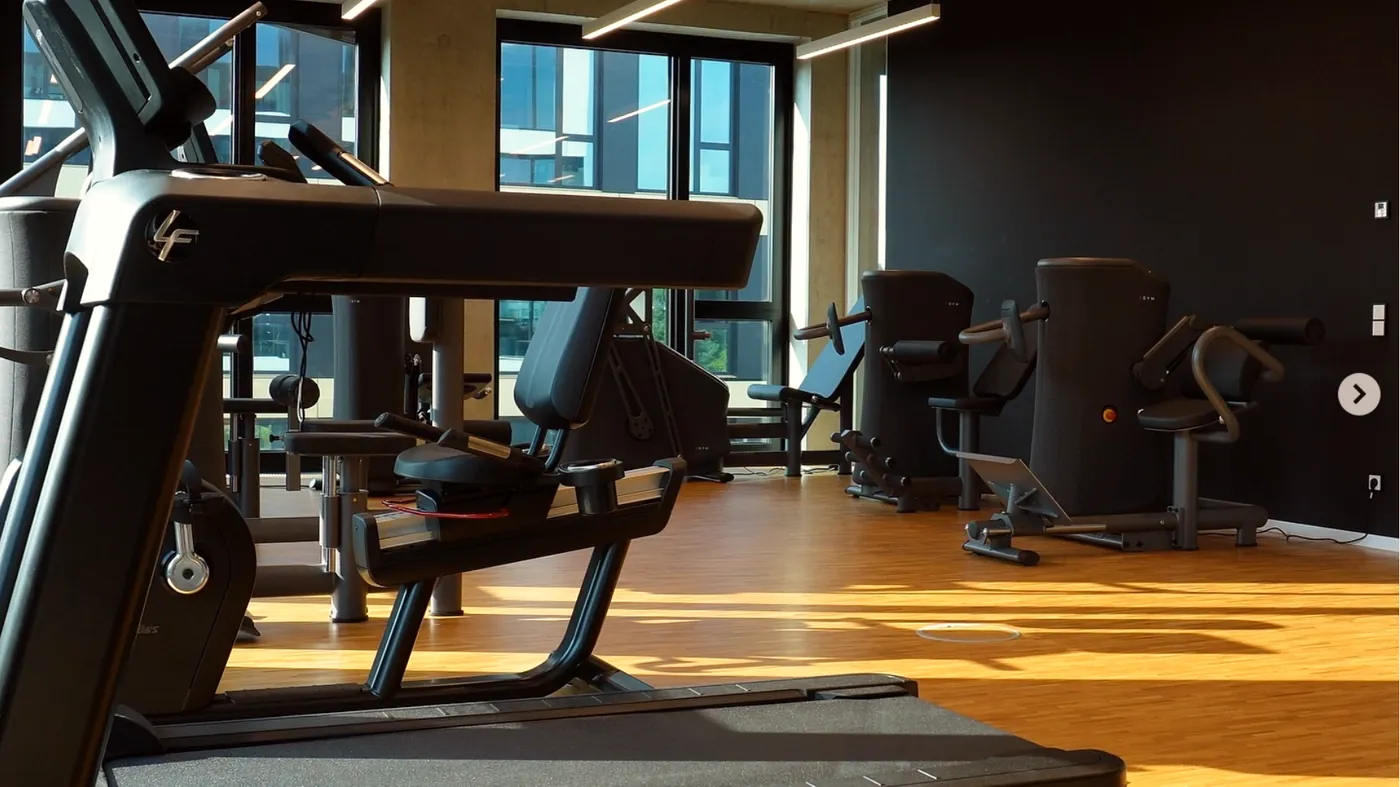
Physiotherapy and one-to-one medical training therapy take place at our own centre on the campus, with your surgical plan on the screen.

08

Follow-up after you fly home

You leave with a complete surgical and imaging record for your Canadian doctor, plus scheduled remote reviews with our team.

Why patients trust us with this

Reassurance you can verify, not adjectives.

Certified environment

EndoCert-standard clinics

We operate in specialised private hospitals working to EndoCert requirements — the German certification standard specifically for joint-replacement centres.

Experience

2,000+ joint replacements

Our lead surgeon has performed more than 2,000 hip and knee replacements. The person who plans your case is the person in the operating room.

Minimally invasive

Tissue-sparing surgery

Minimally invasive (MIS) approaches are used where the anatomy and implant allow — for less soft-tissue trauma and earlier mobilisation, never at the cost of implant position.

For international patients

English-speaking care

Consultations, documents and rehabilitation instructions in English, a dedicated Canadian contact in Calgary, and a concierge who stays with you throughout the stay.

No waiting list

A fixed surgical date

Once your case review is complete and surgery is appropriate, you agree on a firm date — usually within weeks. You plan your travel and recovery around a calendar, not a queue.

Continuity of care

One surgeon, start to finish

The surgeon who reviews your imaging is the one who operates and the one who sees you afterwards. No handover, no rotation, no unfamiliar face on the day.

One campus

Rehabilitation in the same place

Consultation, imaging, surgery and physiotherapy sit within minutes of each other on Campus Jungfernsee — including our own motion-analysis lab and one-to-one training centre.

Continuity at home

Your full file, in English

You fly home with a complete record — operative report, implant passport, imaging and a rehabilitation protocol your Canadian doctor and physiotherapist can follow directly.

From Calgary to Potsdam and back

Your journey, stage by stage.

Most patients are ready to fly home 7–10 days after surgery at the earliest, though around 16 days is more comfortable — the stitches come out on day 14, and two days later you can travel without needing any further medical care en route. Timings are indicative and confirmed individually; your medical history and the joint being replaced both affect them.

At home · Canada

First conversation

You speak with our Canadian contact in Calgary — no medical jargon, no commitment. We explain what we need and what it will cost you to find out.

Day 0 · 30 minutes
At home · Canada

Records and imaging

You send X-rays, reports and a health questionnaire through a secure upload. If your imaging is incomplete, we tell you exactly which views to request from your Canadian radiology provider.

Week 1
Remote

Surgical opinion and plan

A video consultation with the operating surgeon, followed by a written opinion: whether surgery is indicated, which implant is planned, what the alternatives are and what the risks are in your specific case.

Week 2–3
Remote

Date, quote and travel

A fixed surgical date and a written all-inclusive quote. Our team arranges hotel or apartment, transfers and — if you wish — accommodation for the person travelling with you.

Week 3–4
Potsdam · Germany

Arrival and pre-operative day

Private pickup at Berlin Brandenburg Airport (BER). In-person examination, final imaging, anaesthetic assessment and consent — with time to ask everything again.

2–3 days before surgery
ATOS Klinik Sanssouci · Potsdam

Surgery and inpatient stay

Your minimally invasive hip or knee replacement is performed by Dr. Peterhansl at the ATOS Klinik Sanssouci in central Potsdam. Thanks to our fast-recovery programme, patients are usually up and walking within about two hours of surgery, and climbing stairs unaided from around day 3 — the point at which discharge becomes straightforward. Your companion can visit without restricted hours.

3–5 days in hospital
Campus Jungfernsee

Rehabilitation

Outpatient physiotherapy and one-to-one medical training therapy at our own centre, plus motion analysis to check gait and loading before you fly. The first weeks focus on careful physiotherapy; targeted strength and mobility training begins from around week 3. A stay of four to six weeks on site is ideal, though every option is available — from flying home early to rehabilitate in Canada, to a full supervised recovery here.

4–6 weeks (optional, on-site)
Fit to fly

Clearance and departure

A written fitness-to-fly assessment, thromboprophylaxis instructions for the flight, and your complete file — operative report, implant passport, imaging and rehabilitation plan.

Before departure
At home · Canada

Follow-up

Full mobility and load-bearing typically return over about three months. Where the course is uncomplicated and pain-free, no routine specialist follow-up is required — periodic X-ray checks are officially recommended but, in our experience, often unnecessary when recovery goes well. If any problems arise, a specialist should be consulted. We remain available for remote review — for example by video call, or by assessing images you send us — and stay reachable for your Canadian doctor.

~3 months to full recovery
The surgeons

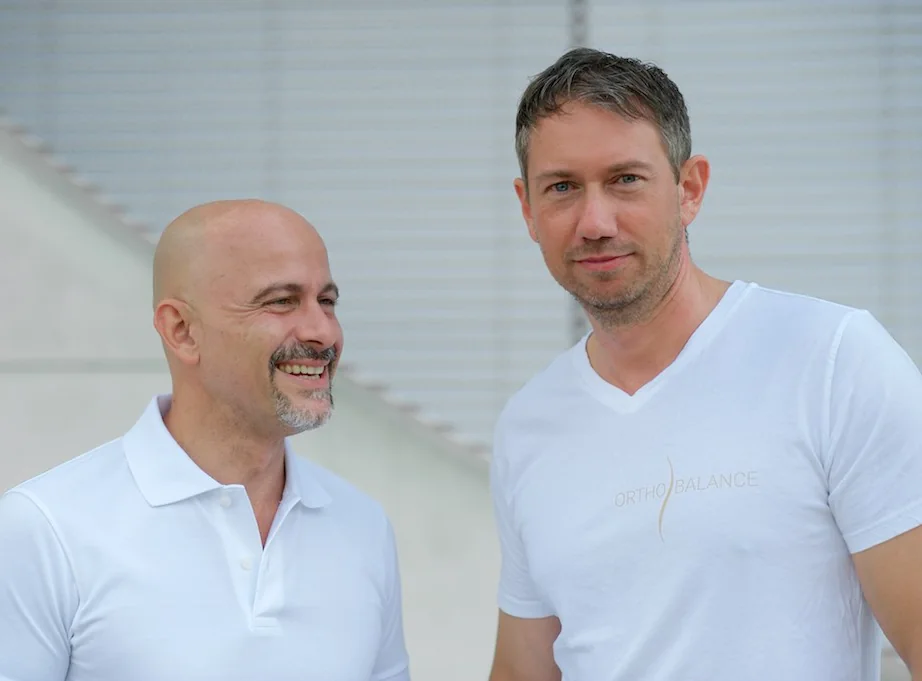
Two specialists. One practice. The same two names throughout your treatment.

The two specialists of the practice, standing together at Campus Jungfernsee
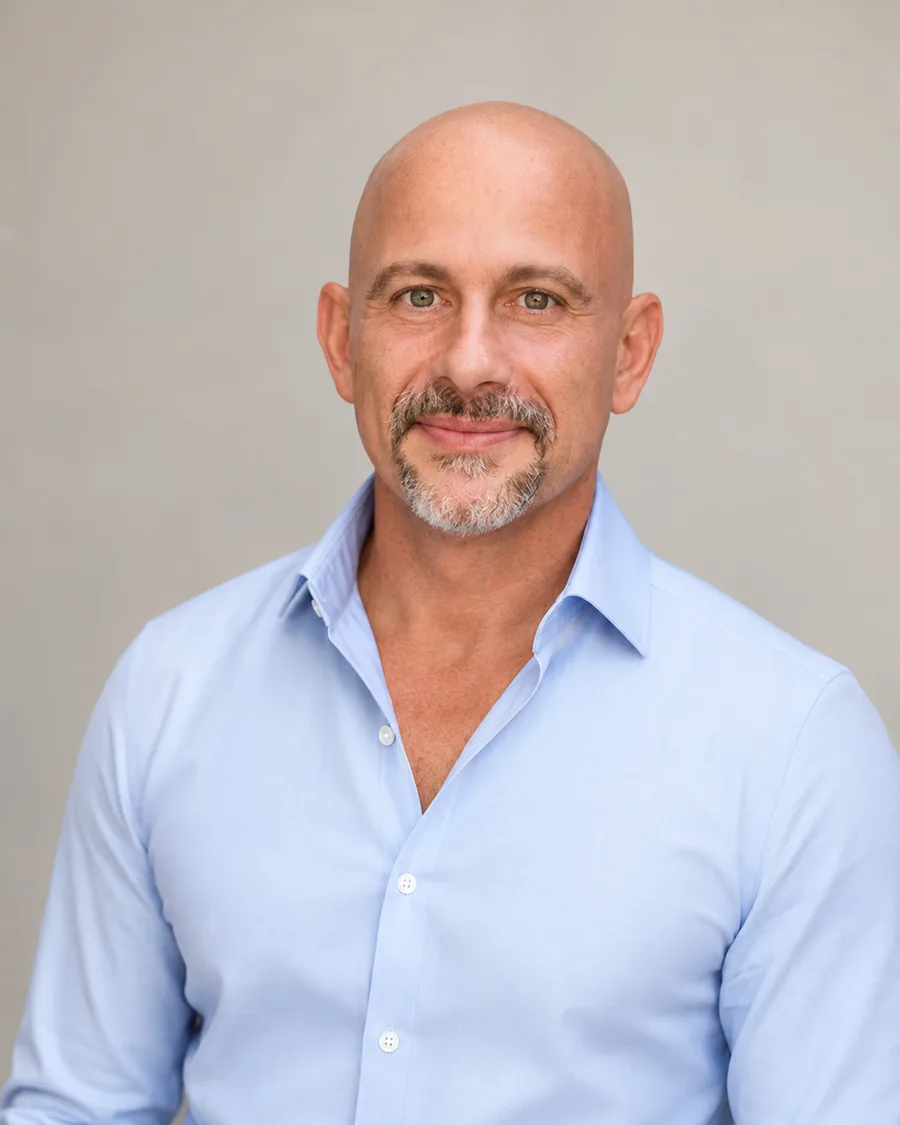
Portrait of Dr. med. Kourosh Peterhansl

Dr. med. Kourosh Peterhansl

Specialist in Orthopaedics · Hip and knee arthroplasty

Dr. Peterhansl trained in orthopaedic and trauma surgery in Kiel, Potsdam, Berlin and at the arthroplasty clinic in Sommerfeld, and has focused his career on the replacement of large joints. He has performed more than 2,000 hip and knee replacements, with particular emphasis on minimally invasive hip arthroplasty and knee arthroplasty. Before entering private practice he was a consultant in the department of operative orthopaedics at Sana Kliniken Sommerfeld.

Your operation is performed by Dr. Peterhansl as the operating surgeon at the ATOS Klinik Sanssouci in the historic centre of Potsdam — a renowned private surgical hospital near Berlin with three modern operating theatres and around 2,100 procedures a year, repeatedly recognised by FOCUS-Gesundheit as a leading private clinic for hip and knee surgery. He operates there as an independent consultant surgeon (Belegarzt); the clinic provides the surgical and inpatient facilities.

He studied natural science at Johns Hopkins University in Baltimore and completed a master's degree in applied molecular biology at the University of Maryland before reading medicine at Christian-Albrechts-Universität in Kiel — a background he shares easily with North American patients.

  • 1990–1995Johns Hopkins University, Baltimore (BA, Natural Science); University of Maryland at Baltimore (MSc, Applied Molecular Biology)
  • 1995–2004Medicine, Christian-Albrechts-Universität zu Kiel
  • 2004–2012Klinik Sanssouci Potsdam · Schlosspark Klinik Berlin · Sana Kliniken Sommerfeld, department of arthroplasty
  • 2012Board certification, Orthopaedic Surgery (Facharzt für Orthopädie)
  • 2012–2018Medical director, Sana Gesundheitszentrum Prenzlauer Berg; consultant, operative orthopaedics, Sana Kliniken Sommerfeld
  • 2019Co-founder, Medical Balance Group GbR
Minimally invasive hipKnee arthroplastyRevision experience2,000+ joint replacements
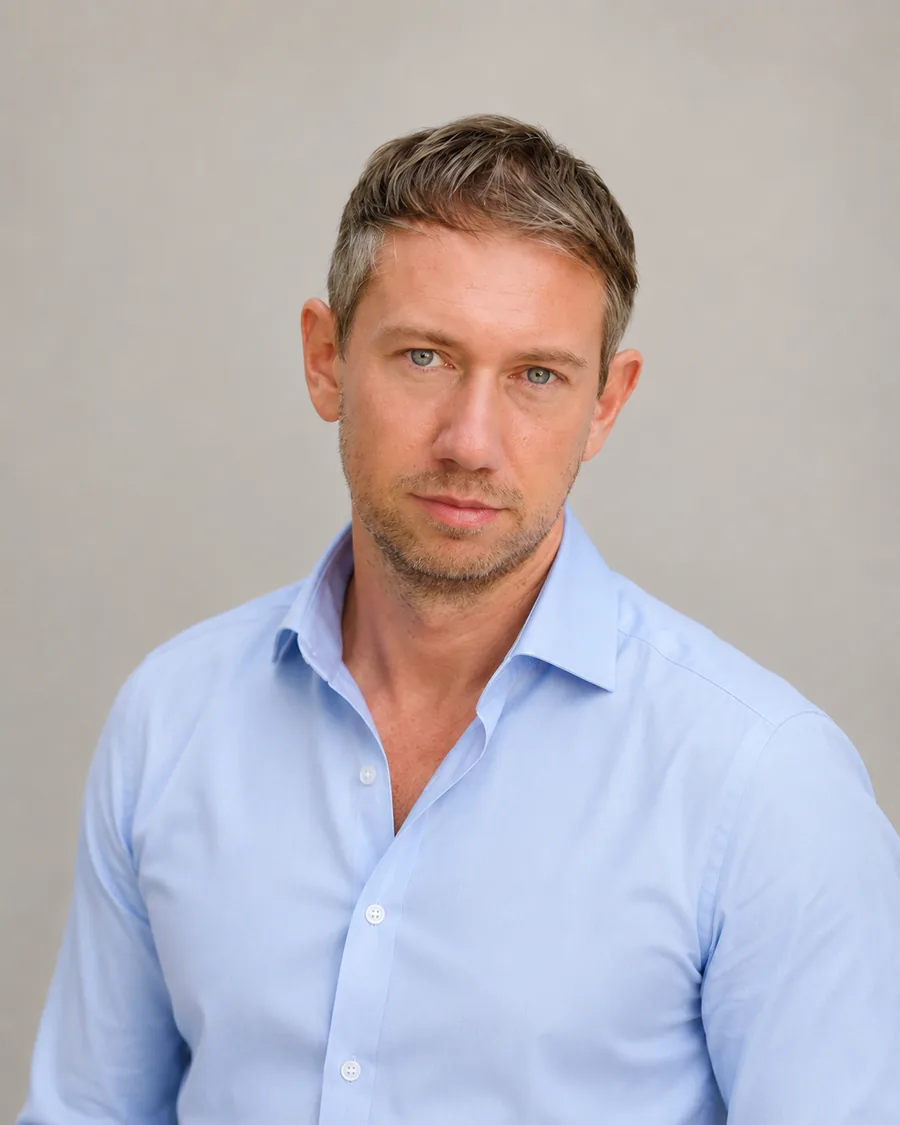
Portrait of Ben David Hirsch

Ben David Hirsch

Specialist in Orthopaedics and Trauma Surgery · Founder and medical director

Ben David Hirsch studied sport science and medicine in Hannover and Marburg and is board certified in both orthopaedics and trauma surgery. He co-founded Medical Balance Group and the Centre for Sports Orthopaedics and Motion Analysis, and in 2024 opened the Longevity Medical Campus Jungfernsee in Potsdam. His work bridges surgery and what happens around it: how you are prepared, how you are loaded afterwards, and how the rest of your health supports the result.

Additional qualifications include manual therapy, shockwave therapy, acupuncture, nutritional medicine, motion analysis, pain management and psychosomatic medicine. He is one of the few German physicians in the international Longevity Docs network.

  • EducationSport science and human medicine, Hannover and Marburg
  • CertificationFacharzt für Orthopädie · Facharzt für Unfallchirurgie (orthopaedics and trauma surgery)
  • 2019Co-founder, Medical Balance Group GbR

  • 2024Founder and medical director, Longevity Medical Campus Jungfernsee, Potsdam
  • SocietiesBOG · DGOU · DGS · DEGUM · DAG · DIGEST · Longevity Docs
Motion analysisRehabilitation planningPain managementPreventive medicine
Getting back to your life

Recovery is a schedule, not a hope.

The first weeks decide how the next twenty years feel. That is why rehabilitation is part of what you book, not something you arrange afterwards on your own.

Days 1–3

Standing and first steps

Assisted mobilisation begins on the day of surgery or the day after, alongside pain management and thromboprophylaxis.

Weeks 1–3

Walking, stairs, independence

Daily physiotherapy and one-to-one training therapy at our centre: gait, range of motion, strength around the joint, stairs, and safe daily movement.

Months 2–12

Load, endurance, sport

Progression is individual. Low-impact activity is usually reintroduced first; contact and high-impact sport is discussed case by case, with realistic timelines rather than promises.

A hiker standing on a mountain summit at sunset, looking out over a wide valley
What recovery is for. Timelines are individual — walking distances like this are a goal for later months, not for the first weeks.
One-to-one medical training therapy session with a patient
The medical training therapy centre at Campus Jungfernsee
A trainer guiding a client through an exercise in the training centre

One-to-one training therapy at our own centre on Campus Jungfernsee. We do not show immediate post-operative high-performance sport — what we show is what recovery actually looks like.

Beyond ordinary rehabilitation

More than a clinic. A longevity campus.

A new joint is the beginning, not the finish line. Because your surgery and recovery happen at our own Longevity Medical Campus Jungfernsee, you have access to tools most rehabilitation centres simply do not have — the same premium, physician-led longevity therapies we use to help people recover faster, rebuild stronger and age better. Available before, during and after your operation, and bookable in addition to your package.

The premium training space at the Longevity Medical Campus Jungfernsee
Flip

Hyperbaric oxygen (HBOT)

Hyperbaric oxygen (HBOT)

Breathing oxygen under increased pressure raises the oxygen supply to your tissue — used to support recovery, cellular repair and reduced inflammation after surgery.

Optional add-on
Flip

NAD+ & regenerative infusions

NAD+ & regenerative infusions

Physician-administered infusions — NAD+, glutathione, vitamin C and B-vitamins — to support cellular energy, metabolic function and recovery while you heal.

Optional · after G6PD screening
Flip

Red-light therapy (HaloCab)

Red-light therapy (HaloCab)

Whole-body red and near-infrared light (630 / 660 / 850 nm) to support cellular regeneration, circulation, muscle recovery and wellbeing. Non-invasive, no downtime.

Optional add-on
Flip

Cryo & thermal therapy

Cryo & thermal therapy

Targeted cold, heat and negative-pressure stimulus via the palms (Avacura). Supports circulation, helps reduce inflammation and aids natural regeneration.

Optional add-on
Flip

Super Inductive System (BTL SIS)

Super Inductive System (BTL SIS)

High-intensity electromagnetic therapy for deep neuromuscular stimulation — used to support pain relief, joint mobilisation and muscle activation. Non-invasive.

Optional add-on
Flip

Shockwave therapy

Shockwave therapy

Focused acoustic waves that stimulate circulation and tissue repair — a proven tool for tendons, soft tissue and areas of tension around a recovering joint.

Optional add-on
Flip

Low-level laser therapy

Low-level laser therapy

Gentle therapeutic laser (photobiomodulation) applied to support pain relief, reduce inflammation and encourage tissue healing in the weeks after surgery.

Optional add-on
Flip

Motion Lab & gait analysis

Motion Lab & gait analysis

Our dedicated movement laboratory measures gait, loading and range of motion in objective detail — so your training is guided by data, and progress is visible.

Included in recovery, extendable
Flip

Medical training therapy

Medical training therapy

One-to-one, physician-led strength and training therapy on state-of-the-art equipment — the same performance-medicine approach we use with competitive athletes.

Core to your recovery
Flip

Nutrition analysis

Nutrition analysis

Individual, science-based nutrition analysis and advice — optimal nutrient supply and sustainable habits to support your energy, healing and long-term results.

Optional add-on

Every therapy is physician-led, evidence-informed and coordinated with your surgical team — chosen for you individually, never sold as a fixed bundle. Tell us your goal, and we will tell you honestly what helps and what does not.

Ask about recovery add-ons
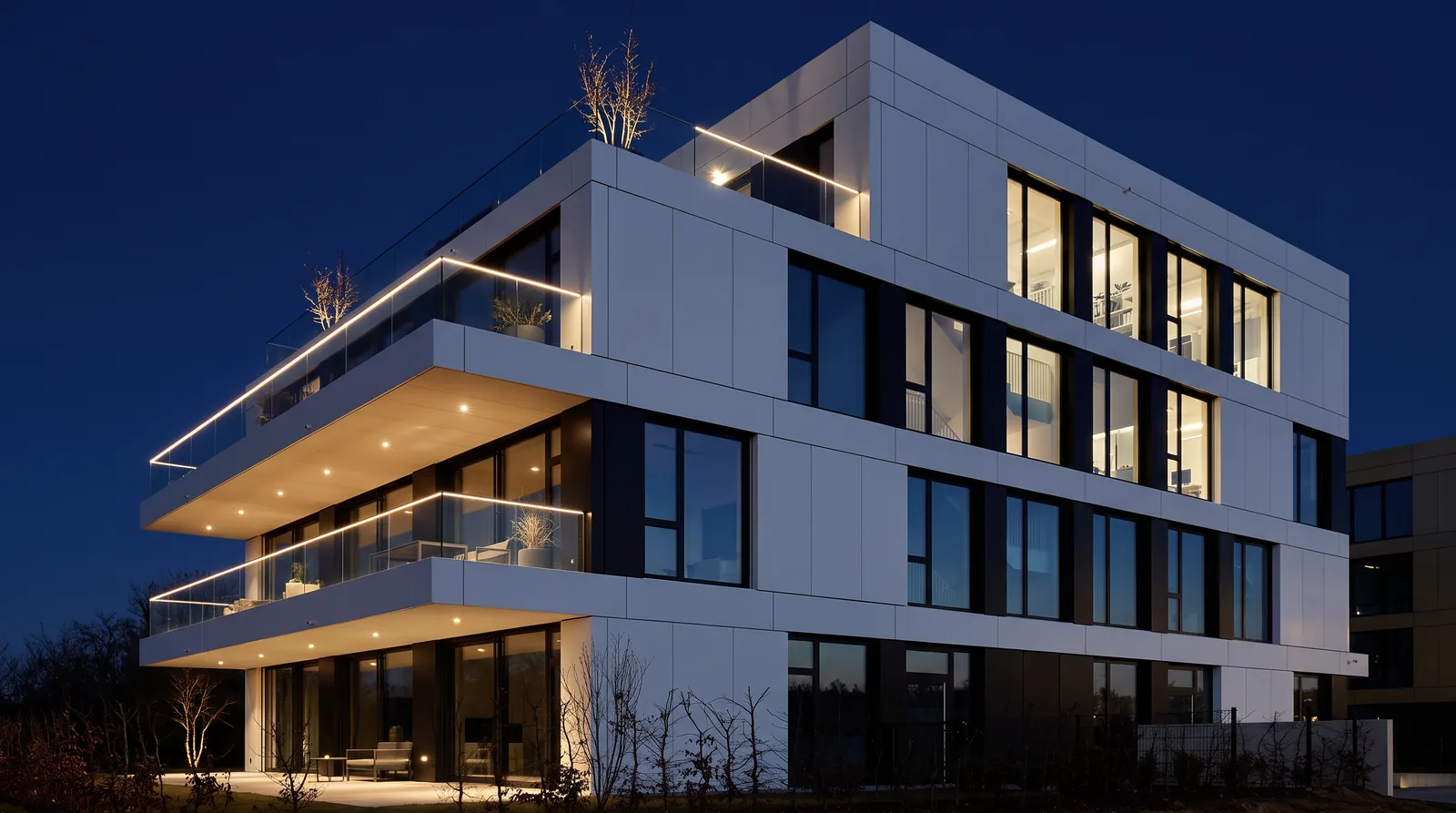
The Longevity Medical Campus Jungfernsee at blue hour

When the day's training is done, the campus quiets — and the real work of healing continues.

Your recovery team

The people who guide your training therapy.

Recovery is not something that happens to you — it is something you do, with people who know exactly how a new joint should be loaded and when. Each of our therapists holds a specific qualification in medical training therapy.

A selection of our leading specialists — our full team of therapists and physiotherapists is larger. They work alongside the surgical team so that your rehabilitation follows the same plan from the first day after surgery.

Where you will be

Potsdam: a lake, a capital city, and everything within minutes.

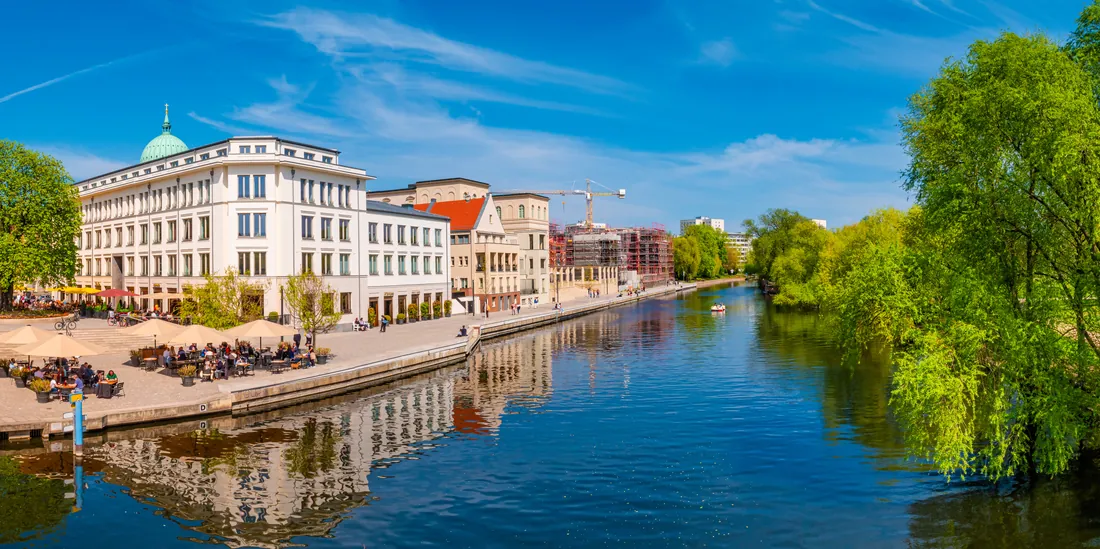
The Havel lakes at Potsdam. The Glienicke Bridge, at the centre, links the city directly with Berlin — the landscape you recover in, minutes from the campus.
Campus Jungfernsee

From that lakeside, a two-minute walk to your surgeon's door.

Our clinic sits on the northern edge of Potsdam at Campus Jungfernsee, where the Havel lakes meet the city. Consultation, imaging, surgery and rehabilitation are all here or within a short drive — which matters more than it sounds when every step counts in the first weeks. Berlin and its airport (BER) are about 30 minutes away.

Medical Balance Group GbR
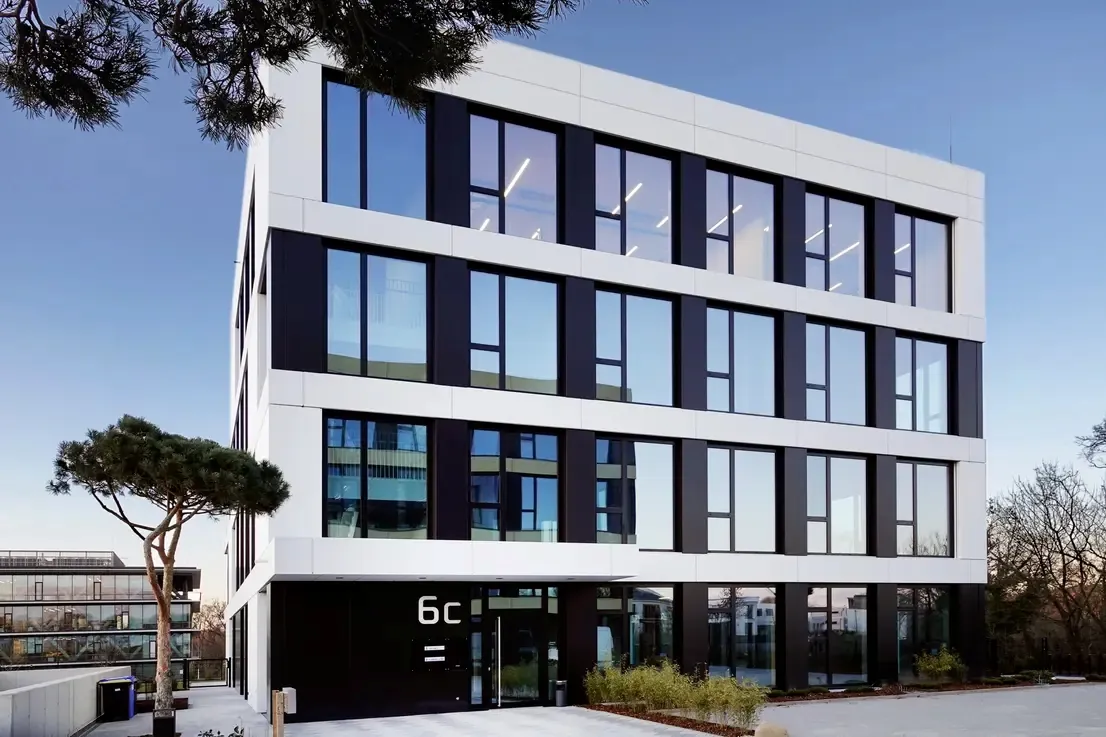
Konrad-Zuse-Ring 6c
14469 Potsdam, Germany

The Medical Balance Group clinic building at Konrad-Zuse-Ring 6c, Campus Jungfernsee, Potsdam — a modern white and glass façade with pine trees
Our building at Konrad-Zuse-Ring 6c, Campus Jungfernsee.
Getting there

BER Airport

Direct and one-stop connections from Toronto, Montréal, Vancouver and Calgary via major European hubs. Private transfer from arrivals to your accommodation is included.

Staying

Accommodation

Hotel or serviced apartment, selected for step-free access and proximity to the campus. Rooms for a travelling companion are arranged on request.

Between appointments

Recovering well

Lakeside walking paths, UNESCO World Heritage parks and Berlin nearby — gentle distance is exactly what early recovery needs.

Where you recover

A place to heal: a UNESCO landscape of lakes, palaces and gardens.

Recovery is not only medical. Potsdam — a city of Prussian palaces, English-style parks and interconnected lakes, much of it UNESCO World Heritage — is one of the gentlest places in Germany to regain your mobility. Flat lakeside promenades for your first steps, quiet gardens to walk a little further each day, and the culture of a former royal residence when you are ready for more. Berlin sits twenty minutes away for the days you feel like a capital city.

Belvedere on the Pfingstberg in Potsdam at sunset
Belvedere Pfingstberg
Brandenburg Gate in Potsdam reflected in water at blue hour
Brandenburger Tor
Flatow Tower above the autumn parkland and lakes of Babelsberg
Flatowturm & the lakes
Café terraces along the Havel waterfront promenade in Potsdam in spring
Havel promenade
St Nicholas Church and the Old Market square in Potsdam at blue hour
Alter Markt & Nikolaikirche
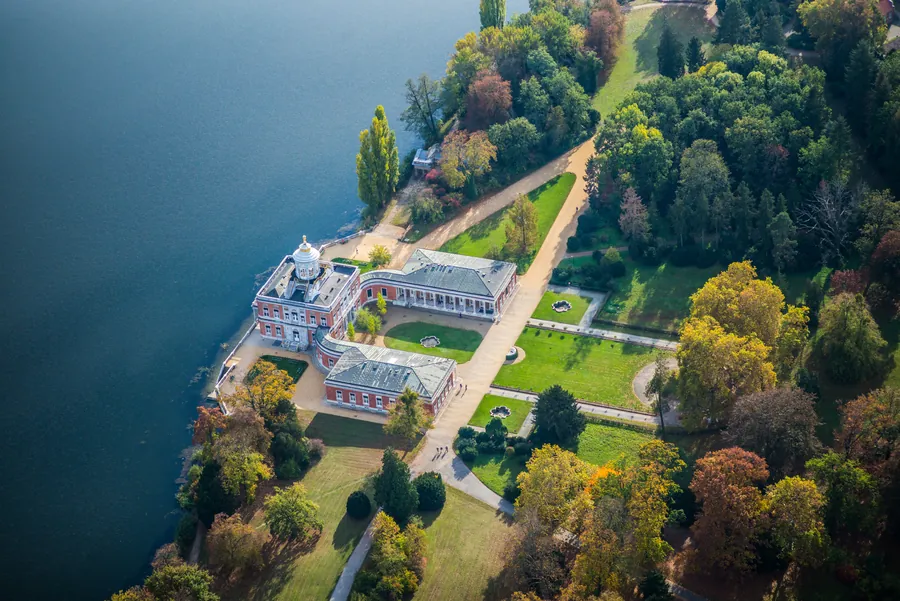
The Marble Palace on the shore of the Heiliger See in Potsdam
Marmorpalais
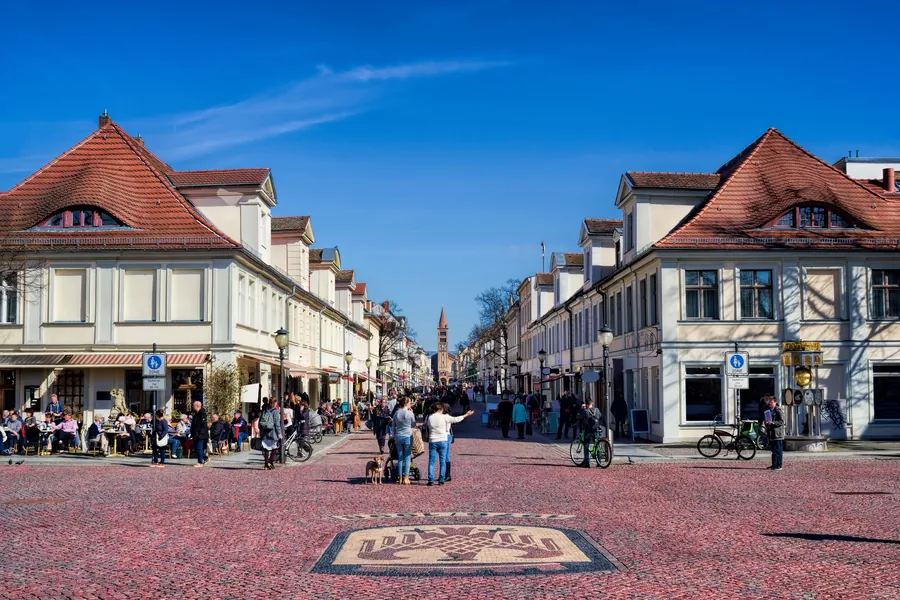
The historic pedestrian centre of Potsdam with cafés and people
The old town
The illuminated colonnade of the New Palace at Sanssouci at dusk
Neues Palais colonnade
What matters to us — and how pricing works

Quality and timely care first. The price follows your needs.

Our focus is on the quality of your surgery and how quickly you are cared for — not on being the cheapest. We do not publish a fixed price, because an honest figure is agreed individually with you, based on what you actually need: the complexity of the operation, the expected hospital stay, and the surrounding costs — above all, how much rehabilitation and follow-up care you choose to have with us. You receive one written, all-inclusive quote after your case review, with nothing hidden.

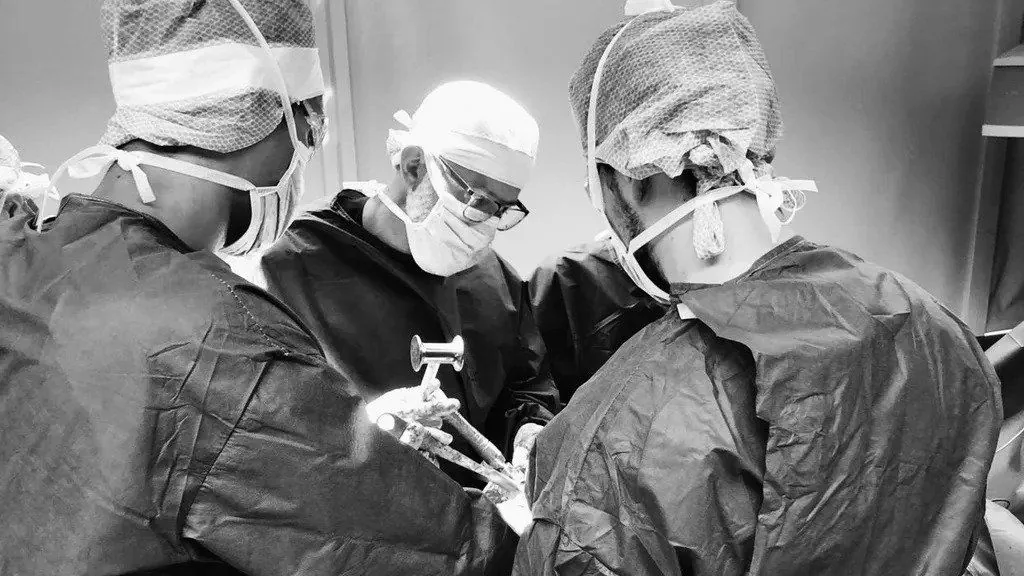
Dr. Peterhansl and his surgical team during a knee replacement operation
Dr. Peterhansl during a knee replacement. What you pay for is the operation itself, the implant, and the team around it — set out in full before you decide.
Tier one

Surgery package

Everything needed for the operation itself, on a fixed date, performed by the operating surgeon who planned your case.

  • Surgeon's fee and the operation
  • Implant and all surgical materials
  • Anaesthesia and the inpatient hospital stay
  • Pre-operative assessment and imaging review
  • Fitness-to-fly assessment and complete medical file
  • Rehabilitation and physiotherapy arranged separately
On cost, honestly

Excellent care that also happens to cost less.

We would rather be known for our results than for our prices. That said, patients are often surprised: for comparable care, our patients typically pay around 20–50% less than equivalent private treatment in Canada or the United States — rehabilitation included, and without months on a waiting list. We see that as a welcome side effect of how we work, not the reason to choose us.

The 20–50% range is a typical orientation only, not a guaranteed price. It is based on published market prices for private self-pay treatment in Canada and the USA, which vary by clinic, province, surgeon and case and change over time. Your individual, binding quote is agreed with you in writing after the case review.

Request your written quote
Questions Canadian patients ask

Straight answers, before you commit to anything.

In general, provincial plans do not cover elective surgery performed outside Canada, and prior approval — where it exists at all — is limited to narrowly defined situations. Private insurance, employer benefits and out-of-country policies vary. We give you a written, itemised quote and a full documentation package so you can put the question to your plan or insurer before you decide. We do not bill provincial plans and we do not promise reimbursement.
You receive a fixed all-inclusive quote after the case review — covering surgery, implant, hospital stay, anaesthesia, the planned rehabilitation programme and concierge services. Costs depend on the joint, the implant, your medical history and how long you stay, so we do not publish a single number. The case review itself is quoted separately and transparently before you send anything.
Most patients are offered a date within 2–4 weeks of a completed case review, depending on operating room availability and on how quickly your records arrive. Urgent situations are assessed individually — and if your case is not suitable for elective travel, we will say so.
At a minimum, plan for 7–10 days from surgery until you are fit to fly; around 16 days is more comfortable, as the stitches come out on day 14. The hospital stay itself is usually 3–5 days. For the best result, an on-site rehabilitation of four to six weeks is ideal — but this is optional. We offer every path, from flying home early to recover in Canada, through to a full supervised recovery here in Potsdam. Full mobility and load-bearing typically return over about three months.
Long-haul flights carry an increased risk of venous thromboembolism after major orthopaedic surgery, which is why we do not discharge patients to a flight early. You travel home only after a written fitness-to-fly assessment, with a thromboprophylaxis plan, compression and in-flight instructions. Your return date is planned around that assessment, not the other way round.
You leave with a complete file: operative report in English, implant passport, imaging, medication plan and a rehabilitation protocol your Canadian physiotherapist can follow. We schedule remote reviews with our team and stay reachable for your family doctor. Where in-person care is needed, it is provided by your own Canadian providers.
Complications are uncommon but possible with any joint replacement — infection, thrombosis, dislocation, stiffness, nerve irritation, implant loosening. We discuss the risks specific to your case before surgery, in writing. If a problem arises after you return, contact us first: we advise you and your Canadian doctor directly, and we discuss the terms for revision care with you in advance, before you travel — never afterwards.
No. Consultations, documents and rehabilitation instructions are provided in English, and your concierge contact stays with you throughout the stay.
Yes, and we recommend it. We arrange accommodation for your companion, and there are no restricted visiting hours during the inpatient stay.
Registry data internationally show that the majority of modern hip and knee replacements are still in place after 15 to 20 years, but longevity depends on age, activity, weight, bone quality and implant position. Anyone who gives you a guaranteed number is guessing. We will tell you what the evidence supports for a patient in your situation.
What our patients say

The people who have already sat where you are.

Verified reviews, shown live from Google — in the words of the patients who wrote them.

Reviews are displayed live from independent platforms and reflect the opinions of their individual authors. We do not edit, select or reproduce review text on this page. Ratings shown are indicative and update at the source.

Start here

Talk to someone in Calgary first.

The first conversation is about your situation, not a sales pitch: what your imaging shows, whether surgery is even the right step, what it would involve and what it would cost. In your time zone, in plain English.

Calgary
--:--
Mountain Time
+8h
ahead
Berlin / Potsdam
--:--
Central European Time

Katarina answers during Calgary office hours. A quick message any time is always welcome.

Your Canadian contact
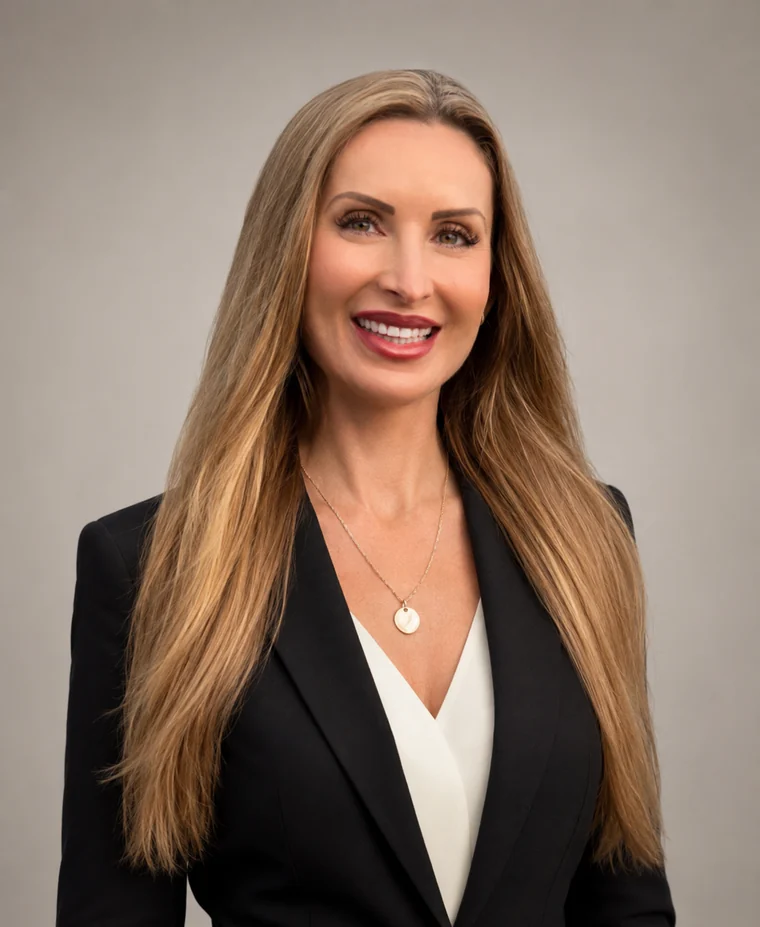
Katarina Anderson, patient coordinator in Calgary

Katarina Anderson

Patient coordinator · Calgary, Alberta

Katarina is your first point of contact in Canada. She helps you gather your imaging, explains the process in plain English and coordinates everything with the surgical team in Germany — so you always have one person to call, in your own time zone.

Telephone+1 587 284 3170 Emailhello@newjointgermany.com Office hoursMon–Fri, 9–17 MT
Your contact in Germany
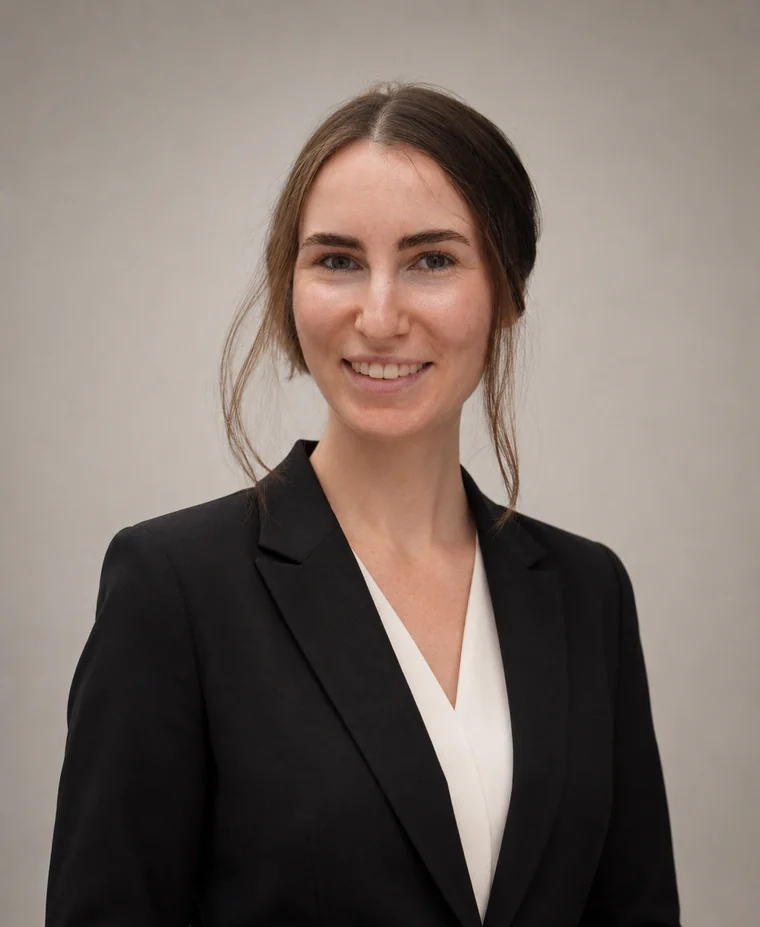
Isabell Wegner, patient contact in Potsdam

Isabell Wegner

Patient contact · Potsdam, Germany

Isabell looks after you on the German side — scheduling, your stay in Potsdam and the practical details around your surgery and recovery, in close contact with Katarina in Calgary.

Telephone+49 331 23 70 31 01 Emailhello@newjointgermany.com PracticeKonrad-Zuse-Ring 6c · 14469 Potsdam
Request a case review

Tell us the essentials. Our Calgary office replies within 24 hours and explains the next step — no records needed yet.

Please do not send medical records, diagnoses or images through this form. We will send you a secure upload link.

newjointgermany — Next Generation Joint Solutions